Capacity building is a cornerstone of sustainable development in Kenya and across Africa. It focuses on strengthening the skills, knowledge, and abilities of individuals, organizations, and communities to effectively manage development processes.
Without strong capacity, even well-designed projects often fail to achieve long-term impact. That is why governments, NGOs, and development partners increasingly prioritize training, institutional strengthening, and knowledge transfer.

What is Capacity Building?
Capacity building refers to the process of developing and strengthening human and institutional resources. It includes training programs, technical support, mentorship, and systems development.
It goes beyond short-term learning and focuses on creating long-lasting improvements in performance and productivity.
Why Capacity Building Matters
1. Sustainability
Projects are more likely to succeed when local stakeholders have the skills to maintain them.
2. Improved Performance
Trained individuals and institutions deliver better results.
3. Ownership and Participation
Communities are more engaged when they understand and contribute to development initiatives.
Key Areas of Capacity Building
Technical Skills Development
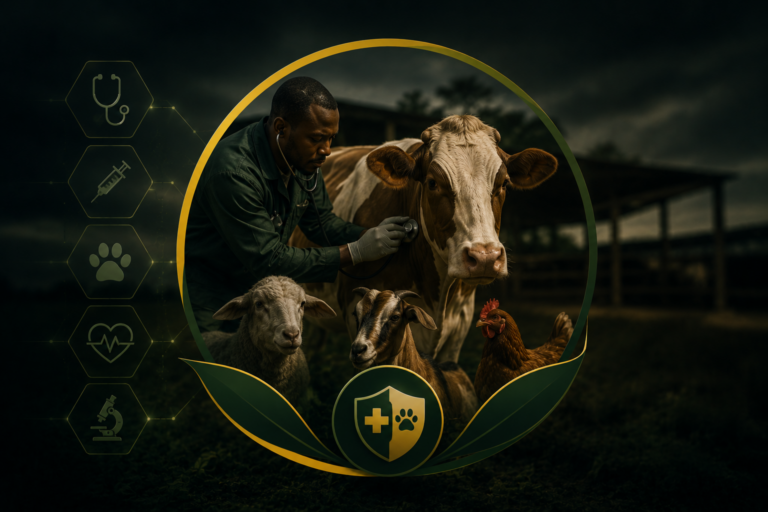
Training in agriculture, health, environment, and project management.
Institutional Strengthening
Improving systems, processes, and organizational structures.
Leadership and Governance
Enhancing decision-making and accountability.
Knowledge Sharing
Facilitating exchange of ideas and best practices.
Methods of Capacity Building
- Workshops and training sessions
- On-the-job mentoring
- Community engagement programs
- Digital learning platforms
Challenges
- Limited funding
- Lack of access to training resources
- Resistance to change
- Weak institutional frameworks
Best Practices
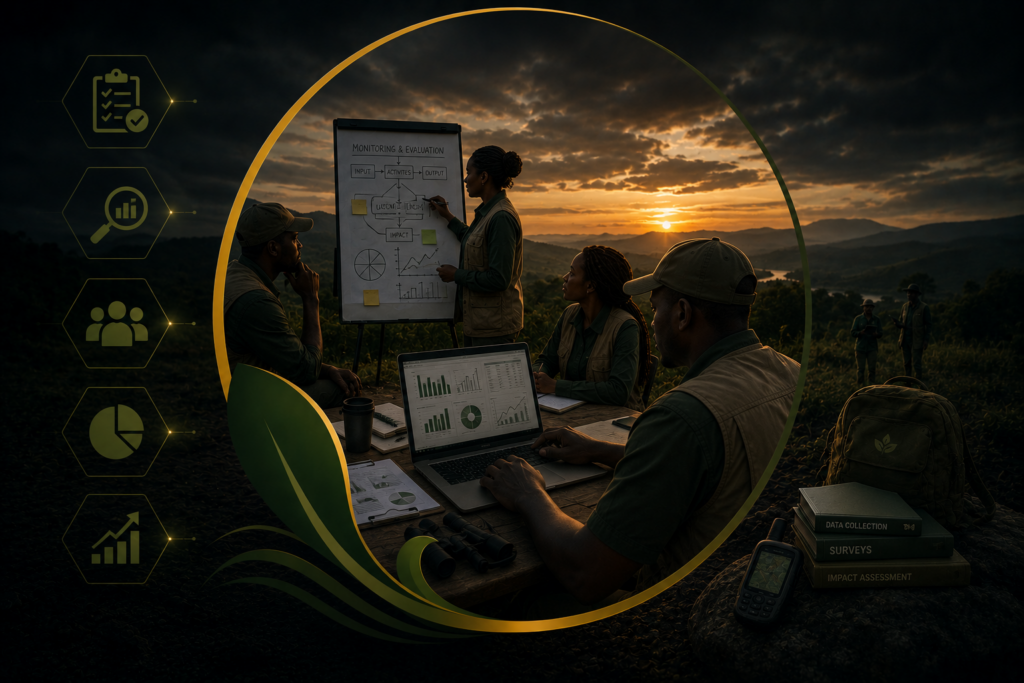
- Monitor and evaluate outcomes
- Tailor training to local needs
- Use practical, hands-on approaches
- Ensure continuous learning
Conclusion
Capacity building is essential for empowering communities and ensuring sustainable development. By investing in people and institutions, organizations can create lasting impact and resilience.