
Climate change is one of the most pressing challenges facing Africa today. Rising temperatures, unpredictable rainfall, and extreme weather events are affecting livelihoods, especially in agriculture-dependent communities.
Adaptation is no longer optional; it is essential for survival and sustainable development.

Understanding Climate Change Adaptation
Adaptation involves adjusting systems, practices, and structures to minimize the negative impacts of climate change.
Key Impacts of Climate Change
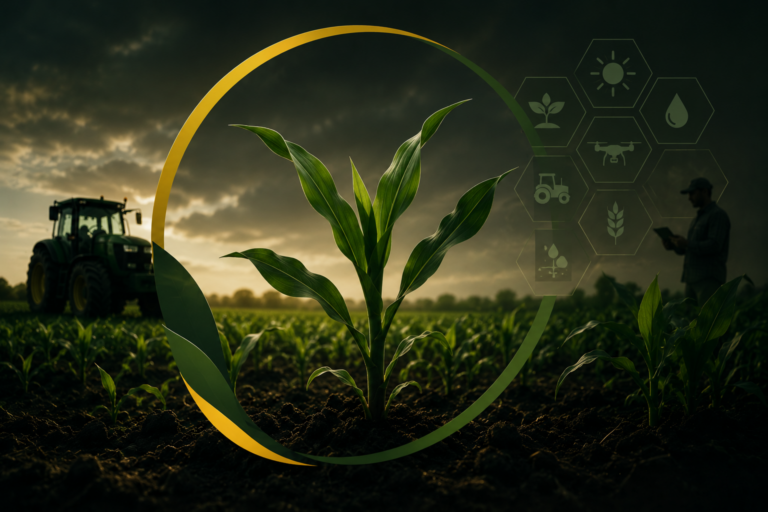
Agriculture
Reduced yields due to droughts and floods.
Water Resources
Increased scarcity and competition for water.
Health
Rising cases of climate-related diseases.
Adaptation Strategies
Climate-Smart Agriculture
Improving resilience through sustainable farming practices.
Water Management
Rainwater harvesting and efficient irrigation systems.
Community Awareness
Educating communities on climate risks and solutions.
Policy Integration
Incorporating climate adaptation into national and local policies.
Role of Stakeholders
- Governments → policy and funding
- NGOs → implementation and training
- Private sector → innovation and technology
Benefits of Adaptation
- Sustainable livelihoods
- Increased resilience
- Reduced vulnerability
Conclusion
Climate change adaptation is critical for building resilient communities in Africa. Collaborative efforts are necessary to ensure long-term sustainability.